Is it rude for Autistics to spend holidays in their room?
Is it rude for Autistics to spend holiday gatherings in their room, or opt out, instead of with the family? Is it promoting bad behavior? And how do you explain it to family members?

Is it rude for Autistics to spend holiday gatherings in their room, or opt out, instead of with the family? Is it promoting bad behavior? And how do you explain it to family members?

Meltdowns are no fun, but it is possible to avoid them. Here’s a framework for how.
Here are five things that are so common in our modern lifestyle, that we often don’t have a chance to experience life without them, so we don’t see how much they affect us.

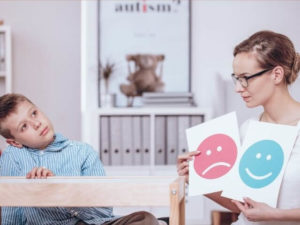
Theory of Mind is often pointed out as an autistic deficit, but is it really that? Is something else going on? And is it just autistics that find this challenging?
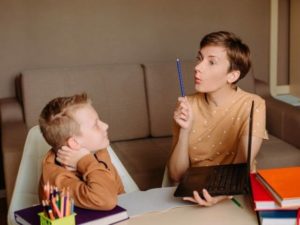
Socializing isn’t primarily about social skills. In fact, that’s the smallest factor, and the last thing to work on.

Why is it that strategies to fix the obvious challenges often don’t work? It’s usually because they don’t get at what’s really going on beneath the surface.

Many schools and teachers try hard to foster in students a growth mindset—the resilience to keep trying—but are we unintentionally undermining our best efforts?

There’s a topic I’ve been avoiding. It’s not easy or comfortable to talk about, but I’m increasingly convinced that it is necessary. Will you join me in this difficult, and deeply rewarding, conversation?
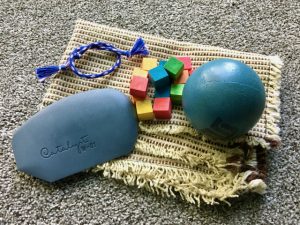
With more and more sensory specific products on the market, it can feel like you have to shell out money for sensory regulation. Don’t forget what you already have handy.
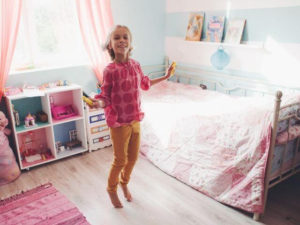
Stimming is both a physical expression of stress—either bad stress or good stress—and it’s a way to help us calm down.



 Subscribe to my channel