
Supporting Autistic Clients: A Guide for Coaches and Therapists
Learn how to better support your Autistic adult coaching and therapy clients with this insider’s perspective from an Autistic, ADHD, multiply-neurodivergent coach.

Learn how to better support your Autistic adult coaching and therapy clients with this insider’s perspective from an Autistic, ADHD, multiply-neurodivergent coach.

Anxiety can be insidious. Here are some of its biggest lies, and why it’s lying to you, and what you can do to break free.

This is a story that took place a few years before I figured out I’m Autistic. My supposed dream come true of working from home turned out to be a recipe for high anxiety.
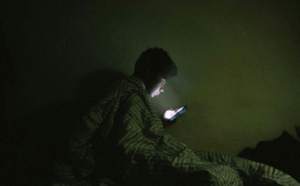
Here are 6 common things that tend to increase anxiety for Autistics, and the biggest reason why they they have that effect: it may not be what you think. Because they’re not bad things.

We often view our culture as “the way things are,” and this is especially true when it comes to displays of strength, but culture isn’t always right.

How to approach the “I’m Autistic” conversation so it goes better, and coping when it doesn’t.

Anxiety and sensory stuff can be difficult to pick apart, so I’d like to talk a bit about them and how they can intersect.

A few comments about four mental health myths that I’ve seen play out pretty consistently over the years.

Healing communication wounds with new experiences is a gradual process.

Learn how to use EFT tapping to manage fireworks anxiety and sensory overwhelm if you’re Autistic, AuDHD, or have sensory sensitivities.

Once you discover your autism, you may realize just how severed the connection to yourself is, but it is possible to get in touch with yourself; to learn to trust your instincts better.

For autistics, it makes sense why we tend to avoid social situations; the majority of our interactions can be uncomfortable. But we can’t lean into the discomfort until we stop shaming ourselves.